What Eye Problems Can a Pediatric Ophthalmologist Diagnose?
Your child’s healthy eyesight is a crucial facet of their life and future. As a parent, it is your responsibility to safeguard their vision. An experienced and expert pediatric ophthalmologist can guide and help you in this task.
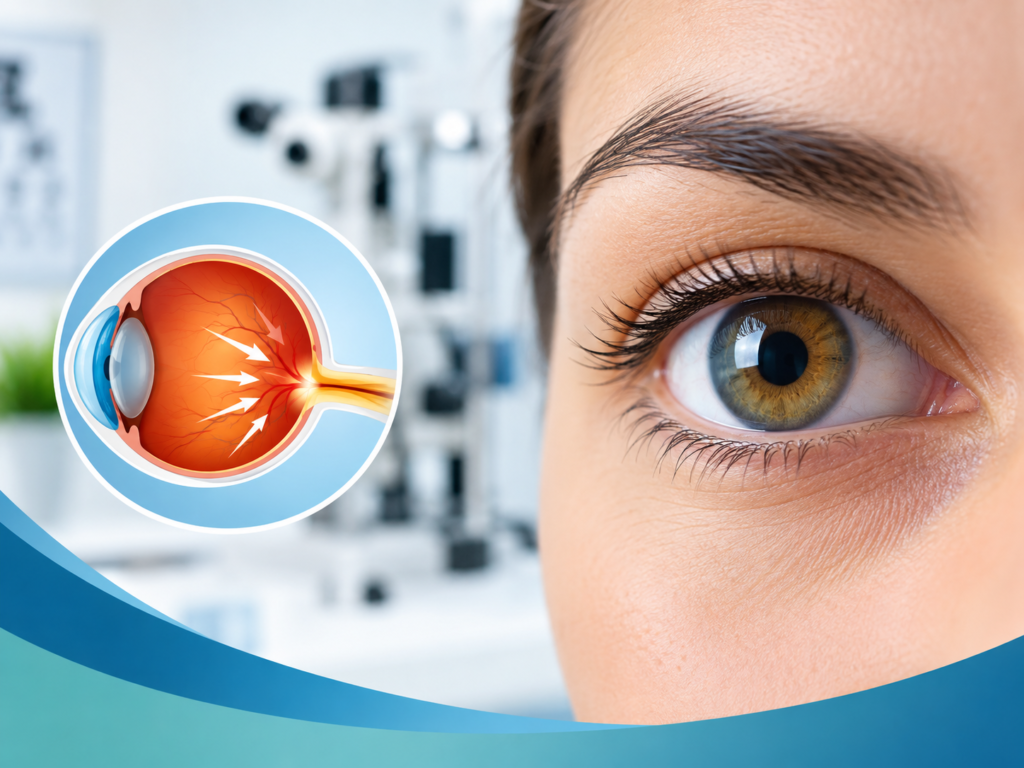
A pediatric ophthalmologist in Dadar, Mumbai is capable of diagnosing and treating a wide range of eyesight issues among kids, including myopia, lazy eye, squint, persistent watering, pediatric cataract, pediatric glaucoma, and various allergies and infections.
Which Warning Signs Suggest That a Child Needs an Eye Specialist?
Consult an eye specialist immediately if your child is experiencing one or more of the following issues:
Reading – No matter whether it is a book or clearly seeing what’s written on the blackboard, difficulty in reading is an important warning signal.
Sports – If your little champ feels overwhelmed while playing outdoor games, such as tennis, badminton, cricket, etc.
Headache – Recurring headache, along with watering of the eyes.
Squinting – Squinting or head tilting, done with the objective of increasing focus, is an indication of muscle weakness or double vision.
Blinking/Rubbing – Watch out if your kid is frequently or excessively blinking or rubbing their eyes. It could be a pointer to underlying eye fatigue or strain.
At What Age Should a Child Have Their First Eye Examination?
The medically recommended age for a first comprehensive eye check-up for kids is 6 months, when the doctor ascertains aspects such as basic eye alignment, pupil response, focusing ability, etc.
How Often Should Children Have Their Eyes Checked?
Once the infant eye check-up is done (6 to 12 months), it is advised to go for an eye examination between 1 to 3 years and another check-up during 3 to 5 years of age. Thereafter, an eye check-up is recommended once in one or two years until your child turns a teenager.
When Should Parents Seek Help for Crossed or Misaligned Eyes?
You should seek expert medical help immediately if you notice any of these actions in your child:
- Covering or squinting in bright light
- Visibly turning the eye – inward, upward, or outward
- Lack of coordination between both eyes
- Frequently tilting or turning the head to observe things
Could Frequent Squinting or Headaches Indicate a Vision Problem?
Yes indeed; it can indicate eye strain/eye fatigue or can also be a symptom of eye disorders, such as myopia.
When Can Poor School Performance Be Linked to a Child’s Eyesight?
Poor academic performance can be linked to a child’s vision problems when the kid has difficulty:
- Reading books
- Making out what is written on the blackboard/digital screen
- Playing sports, especially outdoor games and fun activities
- Concentrating while studying or doing homework
How Are Childhood Vision Problems Diagnosed and Treated?
Pediatric Well-Child Screenings and School & Community Vision Screenings serve as a first line of diagnosis for vision issues among kids.
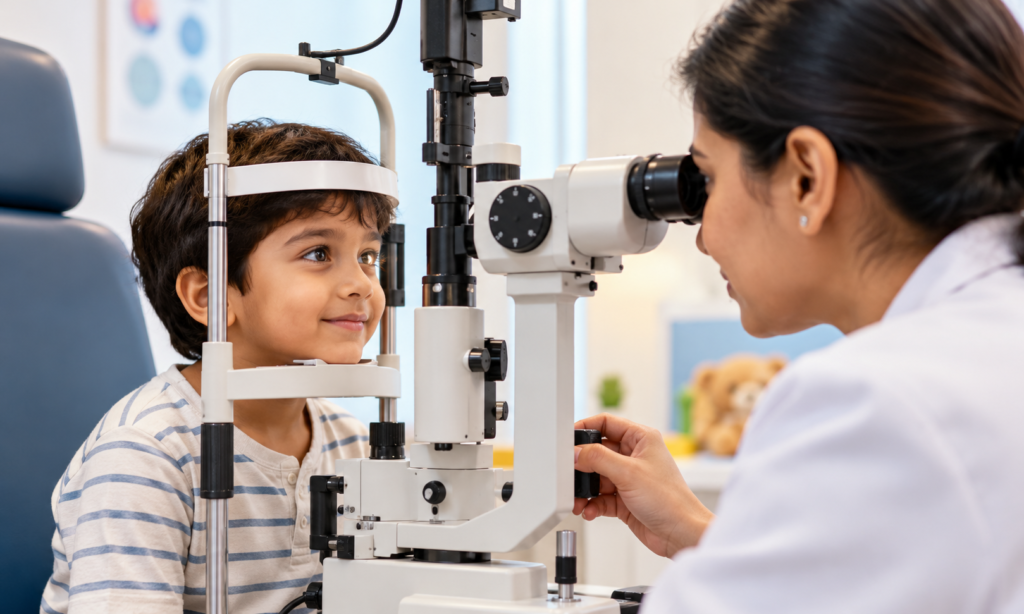
However, in certain severe or complicated cases, a Comprehensive Eye Examination that covers Visual Acuity Testing, Refraction Testing, and Pupil and Retinal Evaluation is also performed by the eye specialist.
Why Is Early Treatment Important for Children’s Eye Conditions?
Good vision is paramount for a child’s academic progress as well as overall personality development. If left undetected or untreated, childhood vision problems can negatively impact a kid’s learning and academic performance, socialising abilities, and overall confidence.
Early treatment of a child’s vision issues is the key to avoiding probable permanent vision loss in future. Also, it supports academic progress, fosters social interactions, and helps avoid surgical procedures later on.
What Should Parents Expect During a Pediatric Eye Examination?
Parents can look forward to be updated about visual clarity, eye alignment, muscle movement, and overall eye health during a pediatric eye examination.
How Can Parents Support Their Child’s Eye Health at Home?
Children are usually mischievous and even stubborn at times. However, parents must see to it that their kid is doing the right things to safeguard and nurture eyesight.
The following everyday practices can help protect and preserve your child’s vision:
- Keep sharp objects, toys, etc. away from infants and toddlers
- Limit your child’s digital device usage
- Ensure kids wear protective eyewear/goggles during sports and games
- Keep cleaning materials and other hazardous chemicals away from their reach
- In case of teenagers, ensure they follow proper contact lens hygiene
FAQs
What Is the Difference Between a Pediatric Ophthalmologist and an Optometrist?
A Pediatric Ophthalmologist is a qualified medical practitioner who specialises in comprehensive medical and surgical care for kids’ eyes, whereas an Optometrist has expertise in routine vision care and childhood vision development.
Can a Child Have an Eye Problem Without Showing Any Symptoms?
Yes, it is possible.
Is It Normal for Babies to Have Occasionally Misaligned Eyes?
Yes, it is quite normal if it happens in the first few months after childbirth.
Can Excessive Screen Time Affect a Child’s Eyesight?
Surely, it does.
How Can Parents Tell If Their Child Cannot See Clearly?
Squinting, sitting unusually close to the screen/monitor, frequent eye rubbing, and repetitive head tilting are the key warning signs through which parents can sense that their child cannot see clearly.

Dr Ashwini Karanjgaokar is a Consultant Ophthalmologist and Vitreo-Retinal Surgeon with over 30 years of experience. She specialises in retinal diseases, diabetic eye care, pediatric ophthalmology, and myopia management, and currently serves as a Visiting Vitreo-Retinal Consultant at Nanavati Max Super Speciality Hospital. Through her articles, she provides evidence-based guidance on eye health and vision care.